Lilith in History
A Symbol in Formation
Lilith does not enter history as a character or a coherent myth. She appears first as a name attached to liminal experience — night, wind, desolation, and the disturbance of order.
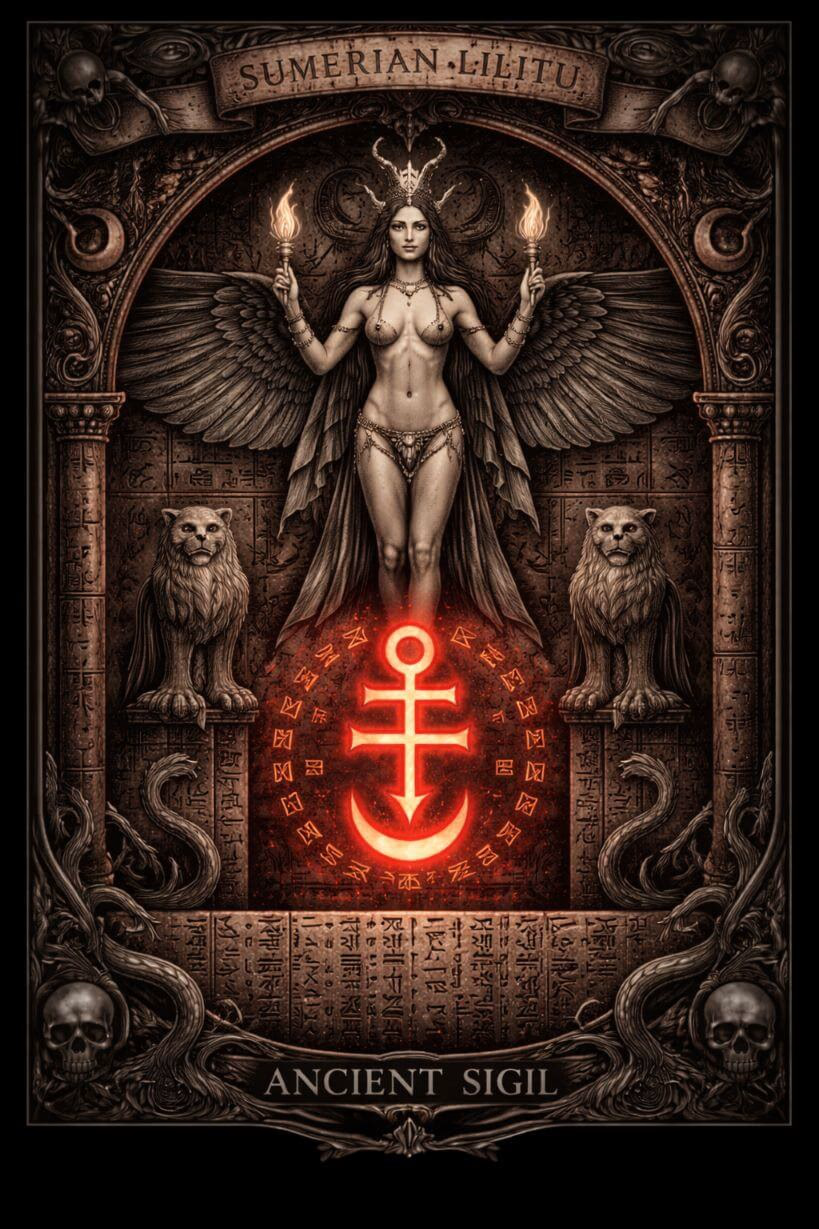
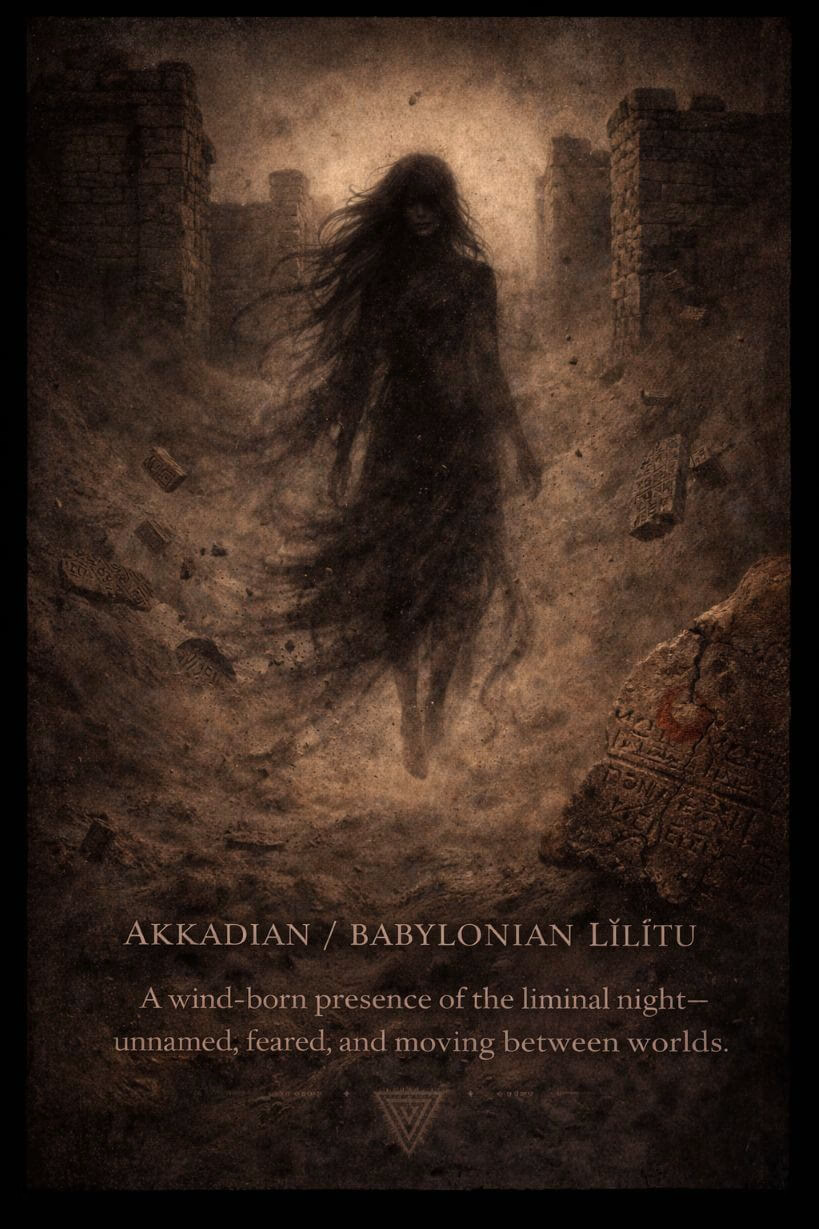
In ancient Mesopotamian cultures, terms such as lilītu referred to classes of nocturnal or wind-associated spirits. These were not individual figures, but symbolic expressions of forces perceived as intrusive, unsettling, and beyond human control.
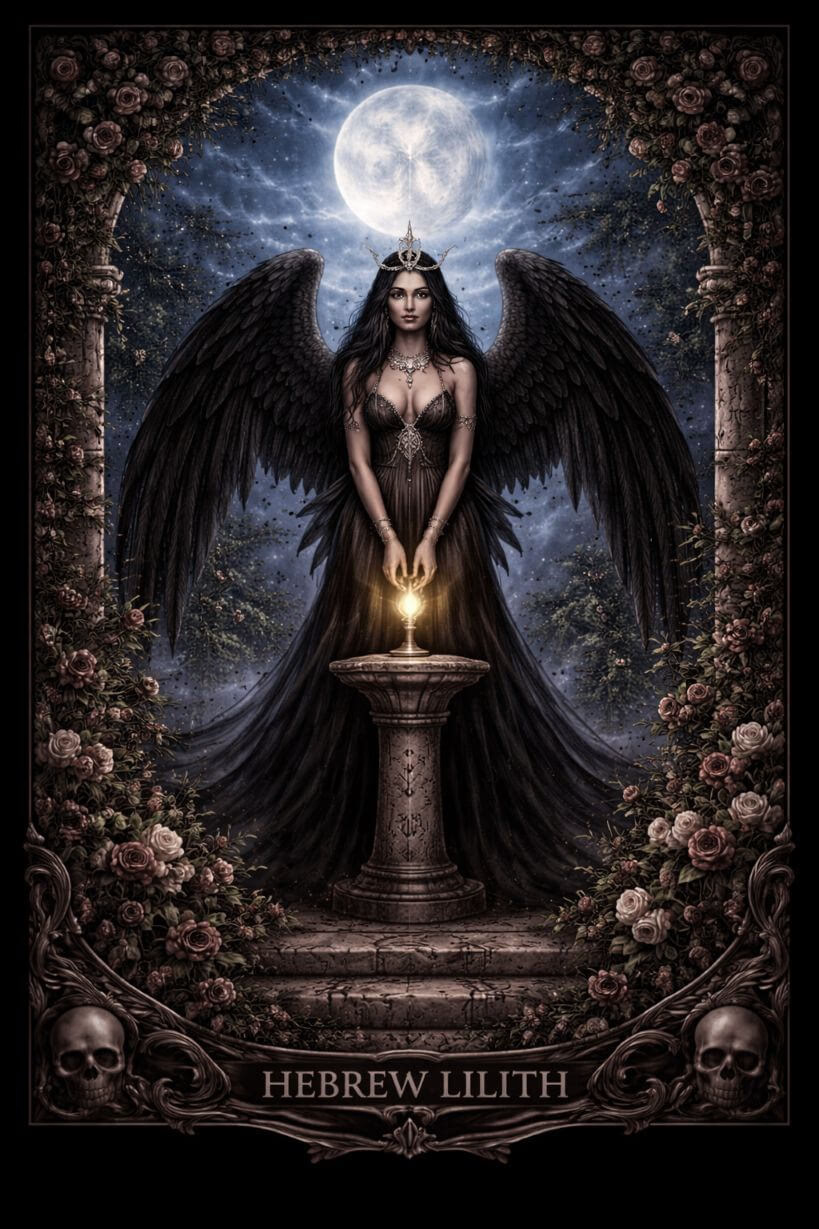
In the Hebrew Bible, the name Lilith appears only once, within a prophetic passage describing a return to wilderness. It functions not as narrative, but as poetic symbol, marking the collapse of inhabited order.
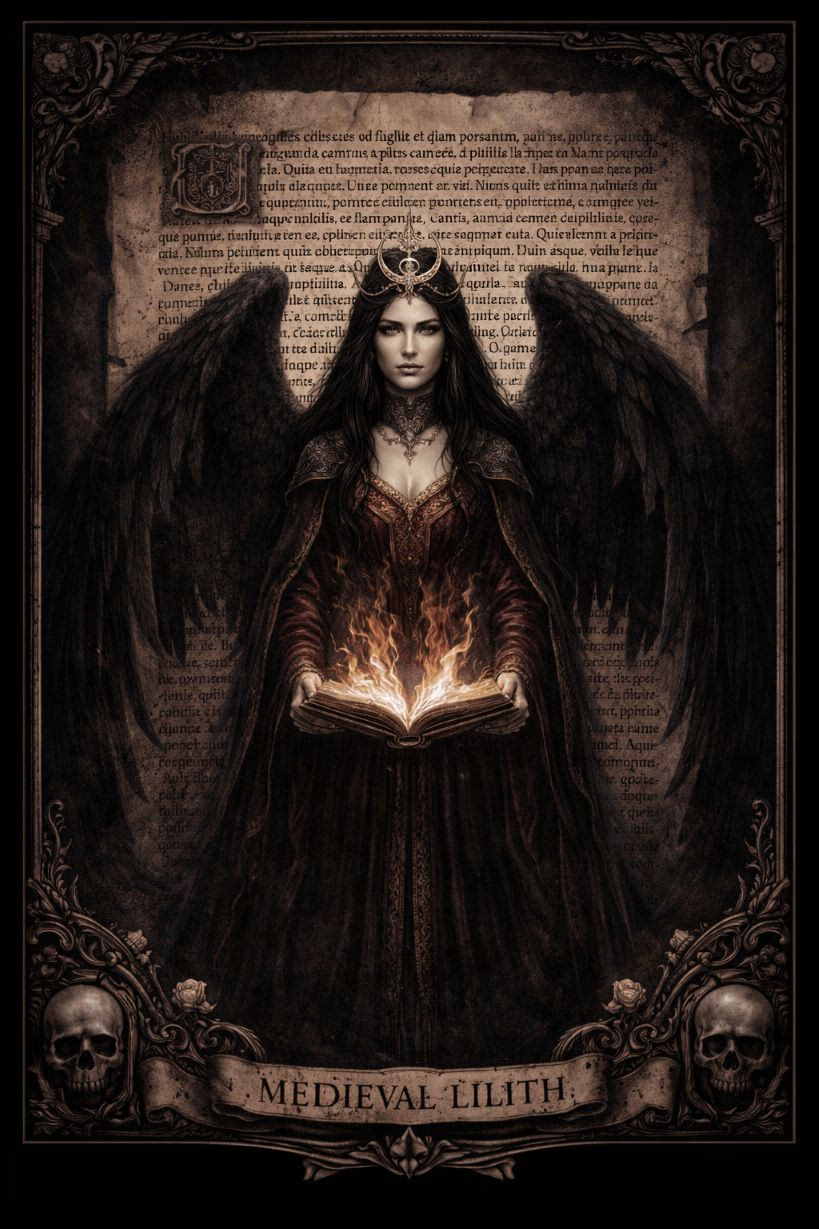
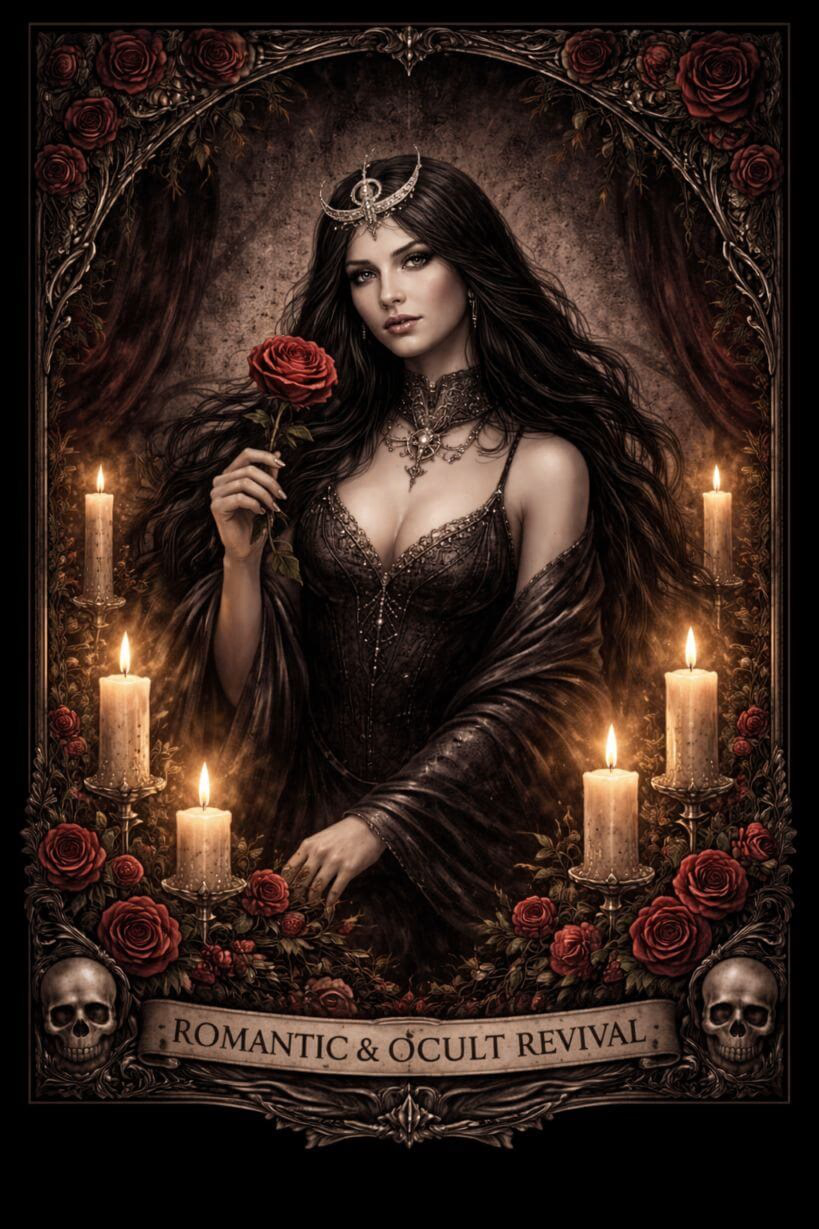
Later traditions expanded this fragment. Medieval folklore and demonology transformed Lilith into a personalized figure — sexualized, feared, and moralized. This development reflects not historical continuity, but cultural projection, shaped by attitudes toward sexuality, autonomy, and the feminine.
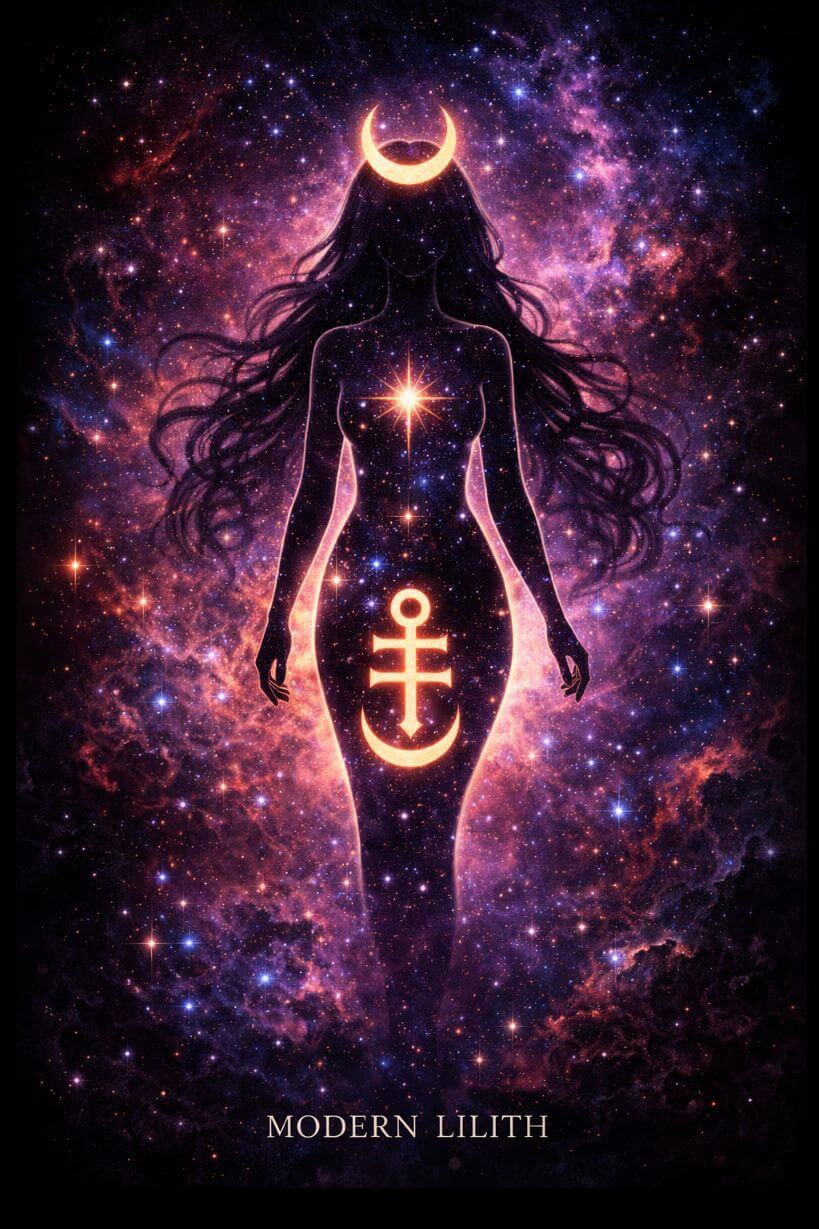
Only in the modern period does Lilith begin to be understood symbolically — as an image of the rejected or unintegrated aspects of the psyche. From a Jungian perspective, Lilith represents the point at which instinct, autonomy, and shadow confront conscious order.
This section does not trace the life of a being.
It follows the evolution of a symbol — and what each era reveals about itself through it.
Follow her journey through the ages below and meet the faces of Lilith as she evolves across history.